West of Eden
I’m almost 22. No longer 21. I’m not “just legal”, but “legal”.

At 18, I am a cerebral person. A good friend named me “The Optimization Machine”. I optimized for experience under the constraints of life’s finitude. I wanted to grasp every sensory quantum and absorb them. I was terribly afraid of time sweeping everything away, so I logged all of them down. The Optimization Machine is who I was, and also what I did not want to become. It was the origin of my anxieties, and how I dealt with them.
At 18, I am a principled person. I cared about grand visions. I wanted to be good—nay, excellent—no, Great. I would not do anything that does not have lasting value. I believed that Time, Truth, and Love are interrelated—and with enough philosophical ji-jitsu—are one.
At 18, I am an enthusiastic person. I loved everything that I did, partly because I chose not to do anything I do not love.

I was self-centered in the most literal sense of the word. I could not hold onto the reality of anything other than my self. All my actions were for enriching that selfhood. I was intensely interested in love, friendship, the aesthetic and the divine, to the extent that they optimized my soul. My lunches and dinners were fully booked 2 weeks in advance. I self-described as microscopically happy, macroscopically unhappy.
I listened to a lot of Goldberg Variations, 王菲, and The Beatles.
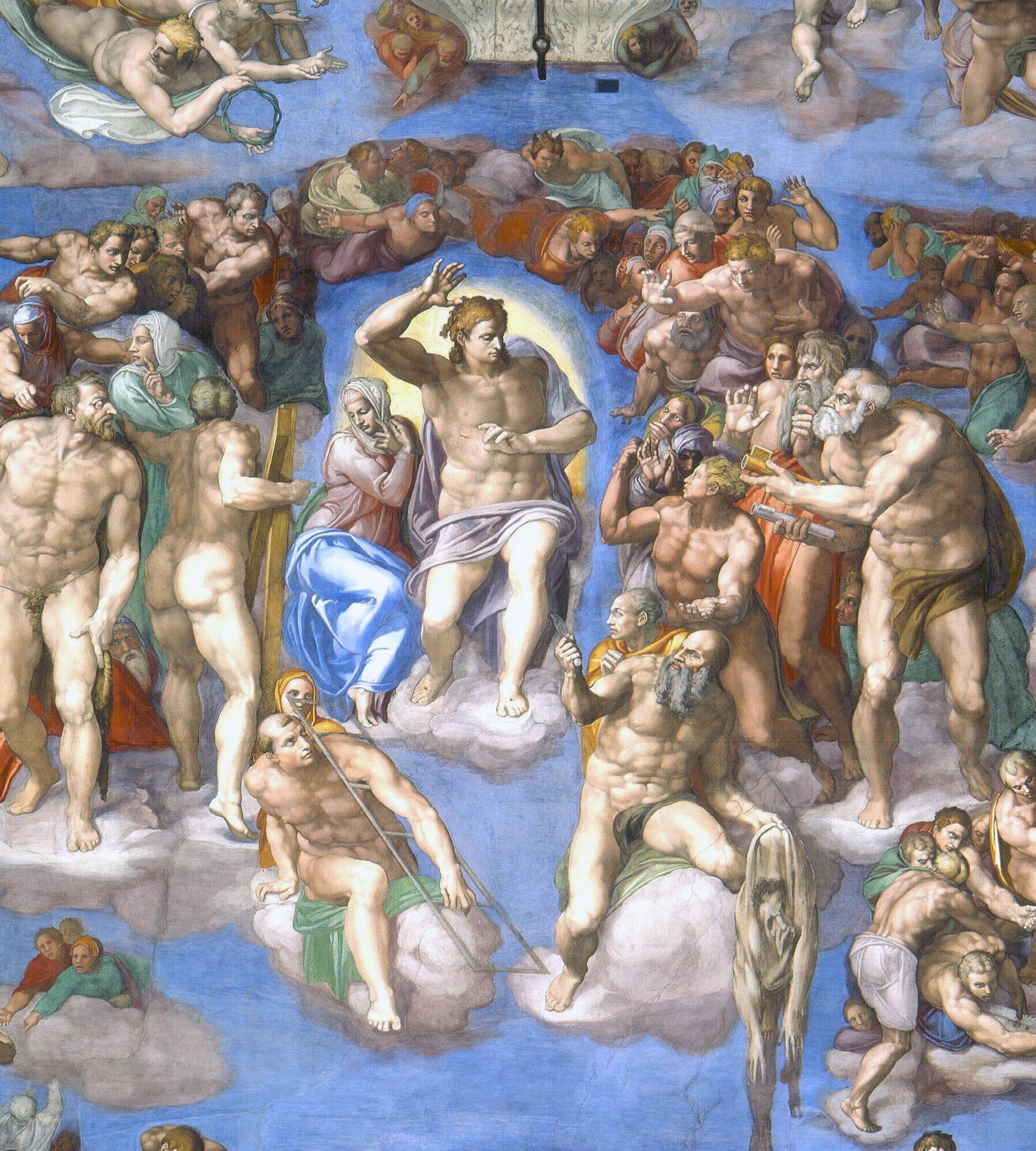
My high school yearbook quote is “I came not to send peace, but a sword”.
Now, on the precipice of 22, I spend little of my days on philosophical principles, but on increasing the value of companies through technology. That means spending my time dealing with the ad-hoc realities of people, companies, and computer systems.
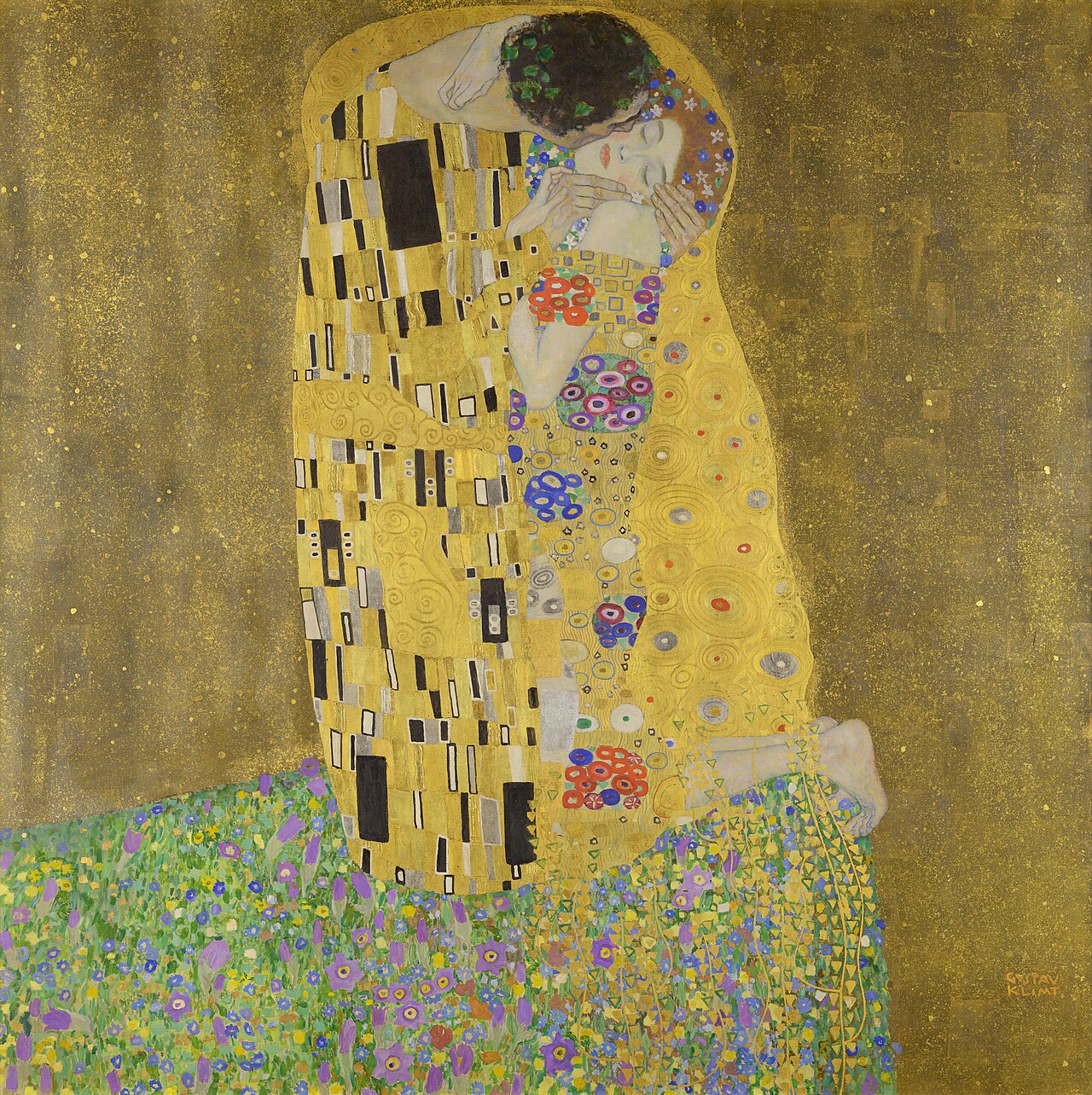
I don’t theorize about love, nor talk about it much anymore, but I am, unlike before, deeply in love. I don’t think much about greatness, but about doing work that produces and captures value. I still refuses to do anything I don’t love—though I’ve learned to love more things. I treat art as empirical realities I enjoy that do not have higher meaning. I’d like to think of myself as one of those really well-behaved cogs that oil their own machines.
I will also happily admit that I consciously restrict my sphere of concern to the well-being of a few dozen people whom I’ve had the great fortune of being deeply involved with in my life. I intend to continue to be involved with them. And I am not seeking more.

I want to have a family, retire at thirty, and learn about architecture. I’m microscopically and macroscopically happy, and I choose not to think about anything too macroscopic lest residual unhappiness arise.
I listen to a lot of Goldberg Variations, Async, and Corporate Dreams (I, II, III, IV, V, and VI, though “Employee of the Month” is my favorite).
Appendix for HSEMR-LE 76

Upon reflection, I do not feel any Holy Envy. I do feel Holiness, and I’m glad to take them as they come. Throughout the class I’ve never been envious—only glad. I don’t feel religious nor atheist, but take the truths of the religious experience as self-evident.
I don’t feel affinity with the mythologization of everyday life in The Myth of Sisyphus. It elevates reality to too high a plane for me. Similarly, I find the philosophizing about the holiness of the Sabbath boring. I do not particularly care for the illusoriness of the self or the world and don’t wish to spend much time thinking about it, nor do I find mystical experiences about the Christian God particularly compelling.
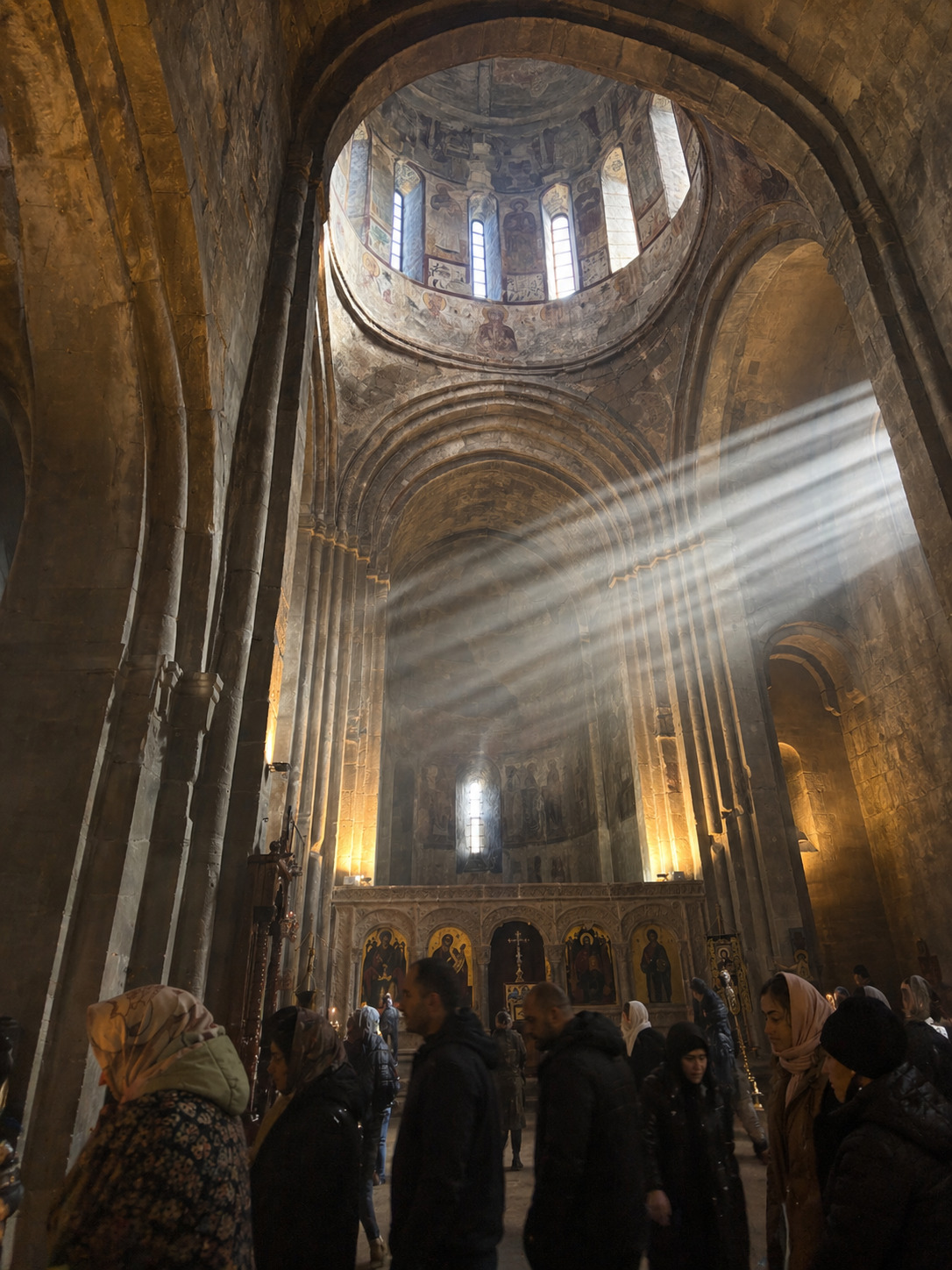
I found, instead, the observation of artistic objects, the idea that much of the world is animate in a simple, subtle, and non-intruding way, the rest and celebration of Sabbath (outside of its theological meaning), to have been much more touching. Just as how I find the mention of the Bread to be the most resonant part of the Lord’s prayer:
Our Father, who Art in Heaven,
Hallowed Be Thy Name.
Thy Kingdom Come, Thy Will Be Done,
On Earth, as it is in Heaven.
Give us this Day our Daily Bread,
And forgive us our trespasses,
As we forgive those who trespass against us.
And lead us not into temptation,
But deliver us from evil.
This is also why I find the opening notes Andata from Async, or the Aria of Goldberg Variations, which are some of the simplest sequences one can play, touching.
My main takeaway from the class is a better understanding of who I am not through being exposed to the different practices. But for the satisfaction of the final project, I will list down below some concrete principles that I will roughly hold by:
| a) | Rest | 52 days of rest per year. I can allocate it however I want. |
| b) | Service | For the closest family, I will sacrifice a unit of happiness to give them a unit of happiness. For close family and closest friends, I will sacrifice a 1/3 of a unit of happiness to give them a unit of happiness. For close-ish family and close friends, I will sacrifice 1/7 of a unit of happiness for a unit of their happiness. For other people, I will maintain a healthy British cordiality, which signifies through the magnitude of one’s politeness the finitude of one’s wish to form a continual relationship one with others. |
| c) | Truthfulness | I will tell the truth to my closest family. I will not lie to my close family and closest friends. I will not lie about the substance of the statements I am uttering to my close-ish family and close friends. For others, I will make us cordial and happy. |
| d) | Rituals | Exercise everyday, Sleep before 12, no alarms, Don’t eat processed food, Spend time with my Girlfriend, Don’t casually social Drink (I get bad Asian flush). |
| e) | Work | For a workday, work 12 hours a day (include Lunch and Dinner/other social events in a work context as work), and then no need to work more. |
| f) | Finance | Save 50%, spend 10% on luxuriant surprises. Allocate the rest to everyday life. The leftover goes to either surprises or savings. |